
More Visibility and Accountability Across Public Fleets
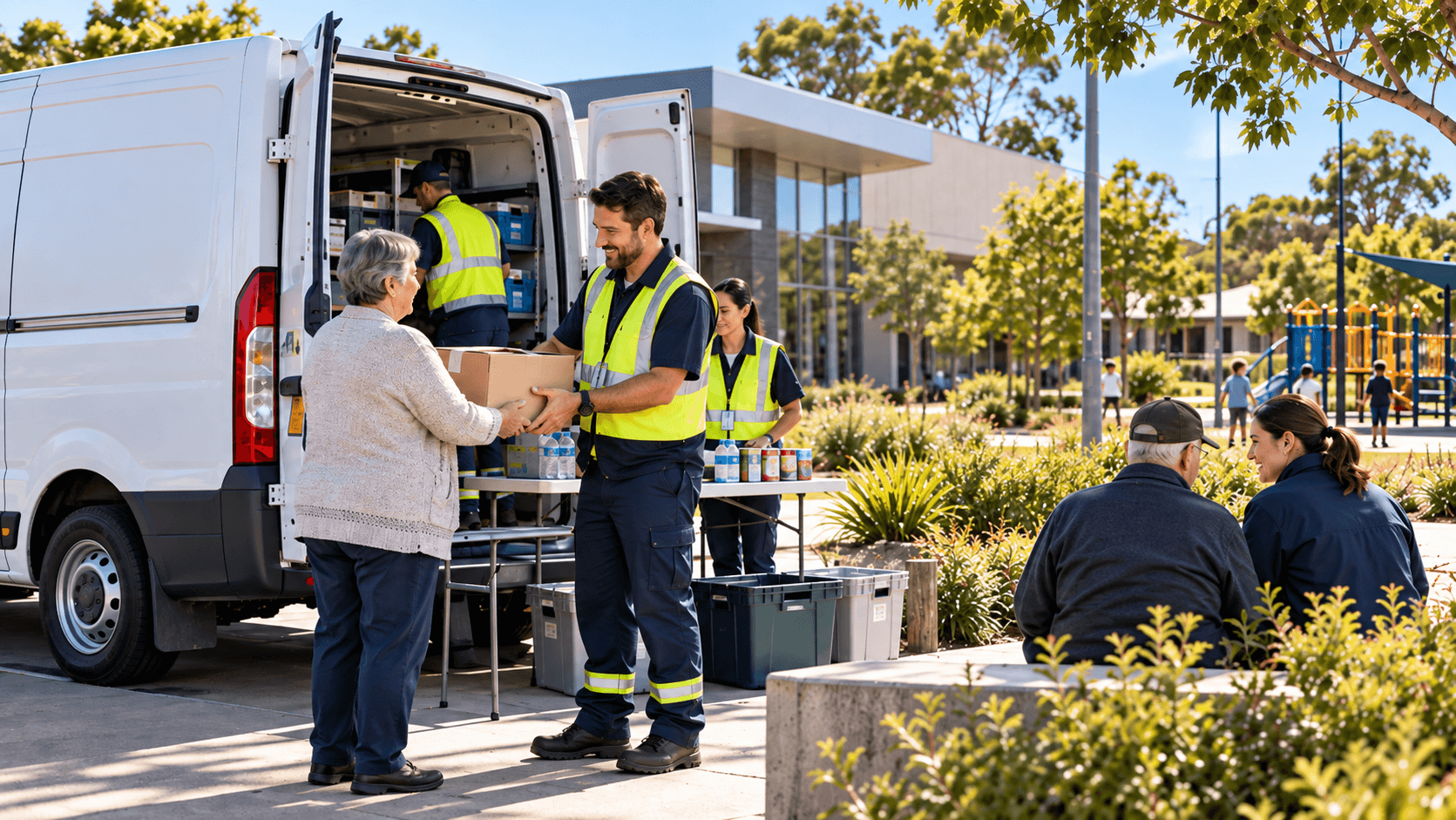
Public-sector fleets can include passenger vehicles, utes, vans, trucks, plant and specialised equipment distributed across departments and operational teams.
Loading...
Bring vehicles, field teams, equipment and mobile assets into a connected fleet environment designed to provide greater visibility across utilisation, safety, maintenance and public fleet operations.

Public-sector fleets can include passenger vehicles, utes, vans, trucks, plant and specialised equipment distributed across departments and operational teams.

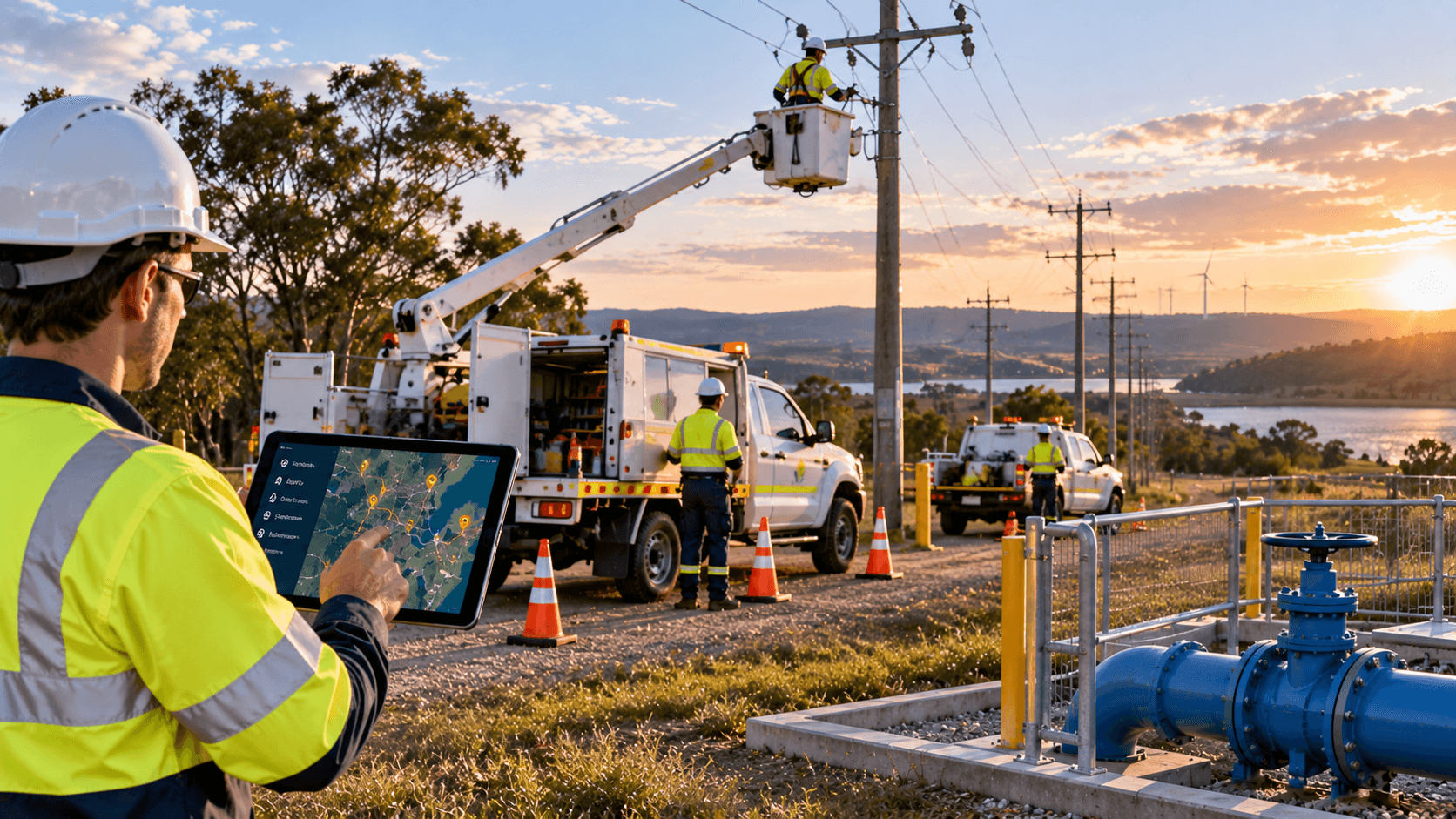
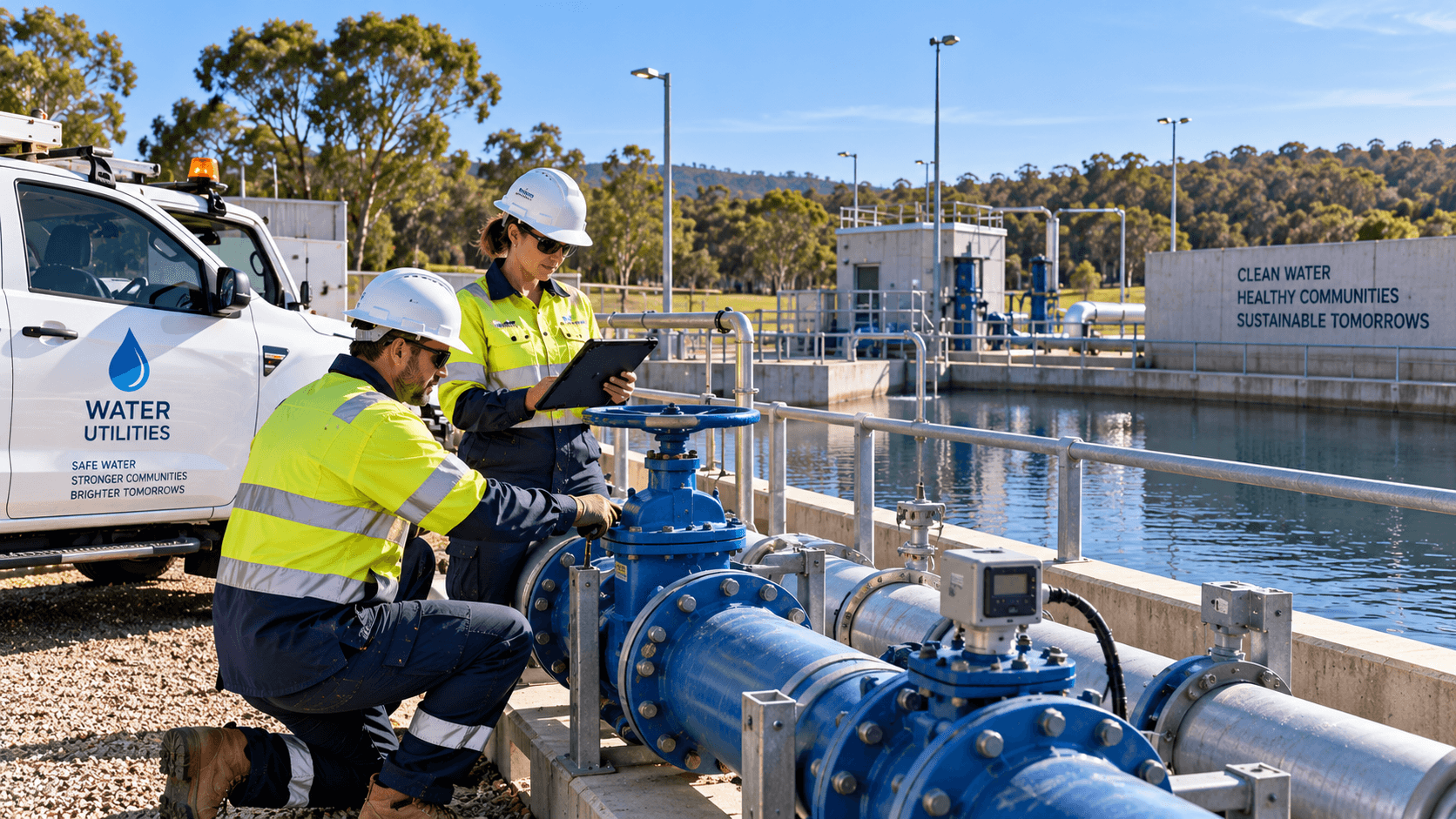
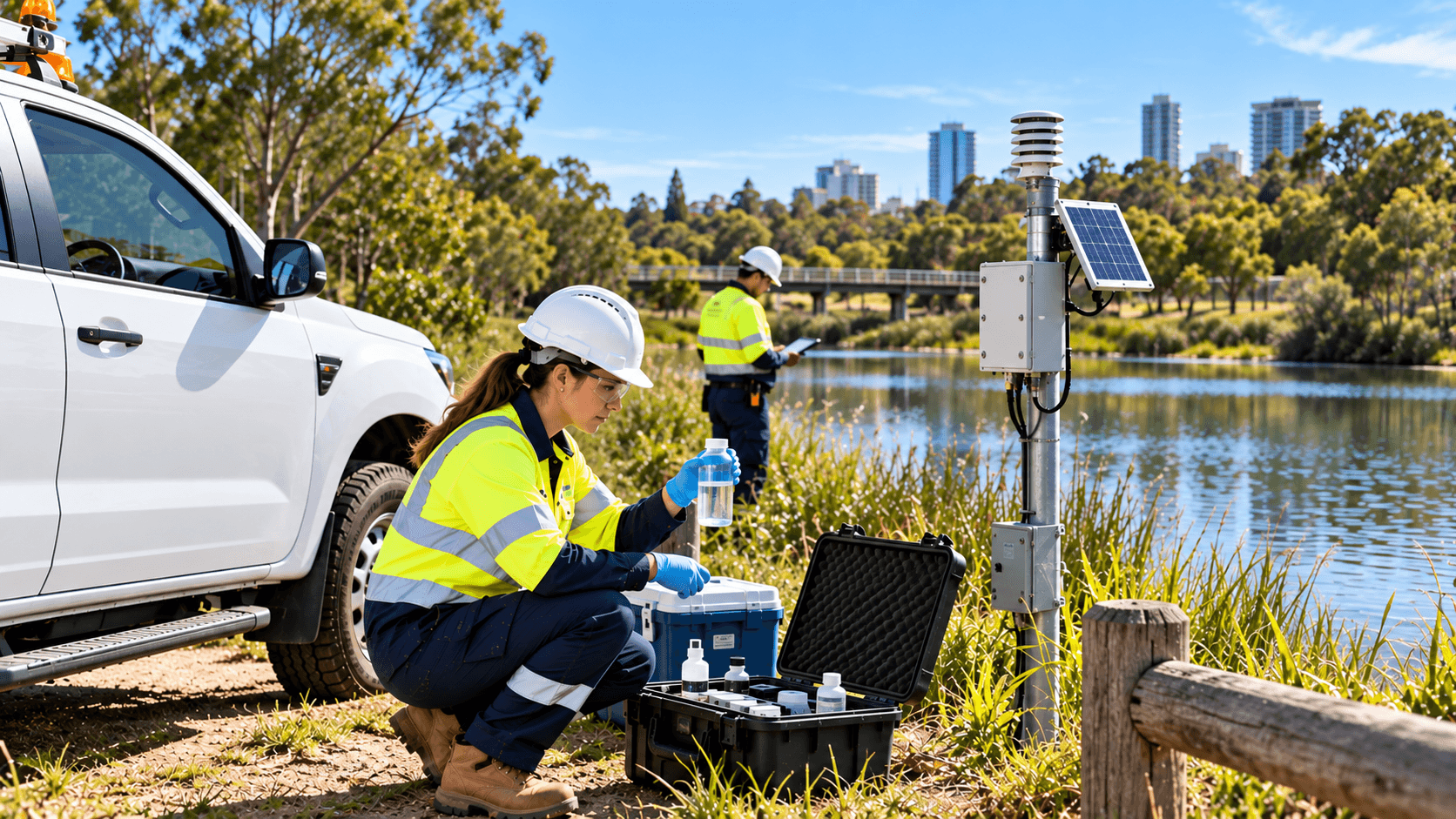
Utility and infrastructure operations can involve field vehicles, crews, equipment and remote assets operating across large service areas.
Government, council and utility fleets can operate across departments, depots, worksites, community locations and remote infrastructure.
Vehicles and equipment may be allocated to different teams, while field crews and mobile assets operate across constantly changing locations.
When location, utilisation, vehicle, asset and maintenance information is fragmented, understanding overall fleet activity can become more difficult.
Connected fleet technology can bring supported vehicle, asset, driver and operational information together to create a clearer fleet view.
Understanding how vehicles are being used across departments and teams can be difficult without connected activity information.
Public and field-service fleets may need to allocate vehicles across departments, crews and changing operational requirements.
Drivers and field teams may spend significant time travelling between community locations, worksites and infrastructure assets.
Utility equipment and mobile assets may be deployed far from depots or central operational teams.
Councils and utilities can operate plant, trailers, equipment and other mobile assets in addition to road vehicles.
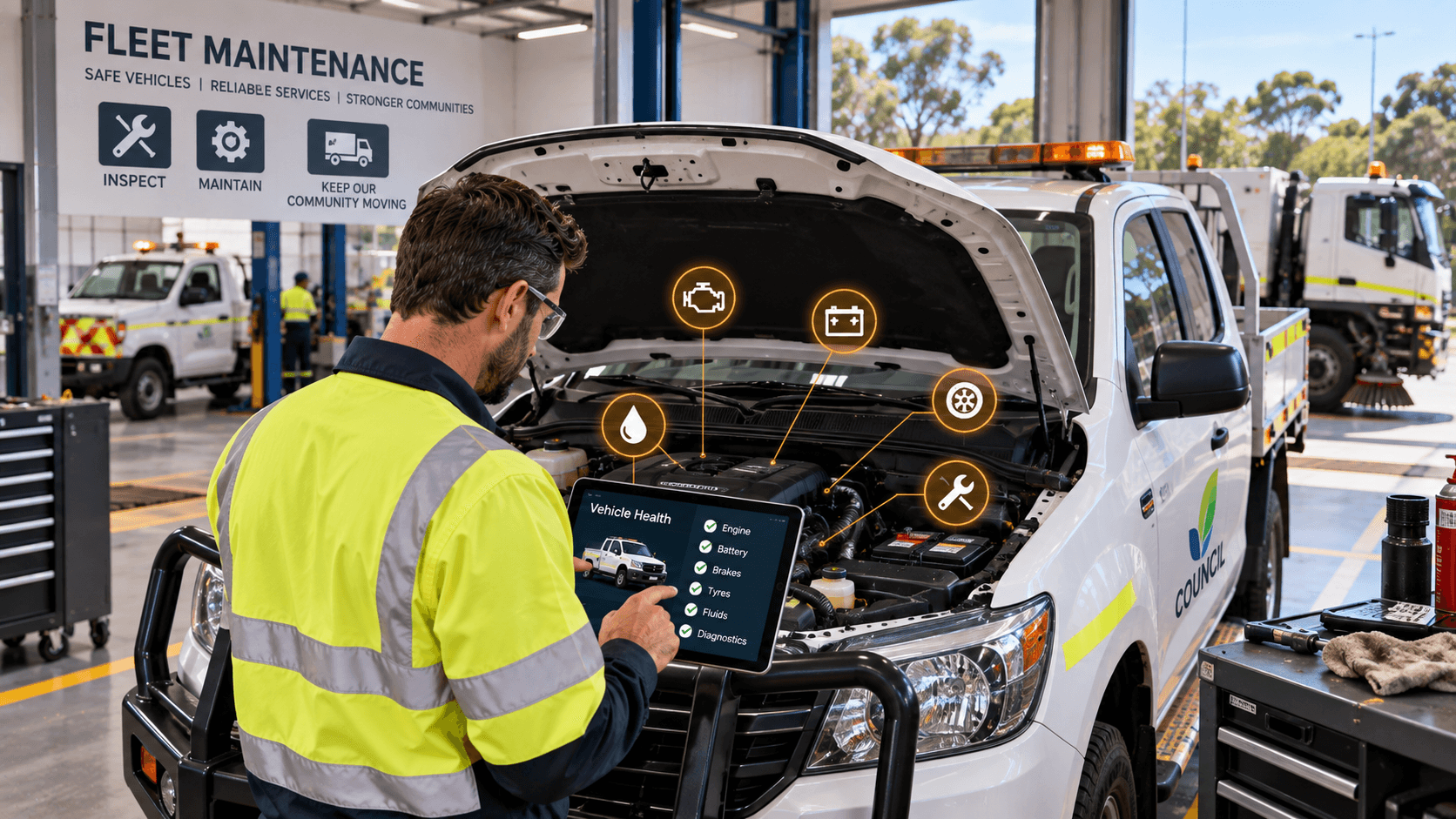
Mixed fleets require ongoing servicing and maintenance planning to support operational availability.
Government and council operations may require clear fleet records and reporting to support internal governance and operational review.
Vehicles, crews and equipment operating across multiple locations can make maintaining a single operational view challenging.
View supported vehicle locations, movement and trips across public and field-service fleets.
Explore Fleet Tracking →Extend location visibility beyond road vehicles to compatible plant, trailers, equipment and remote assets.
Explore Asset Tracking →Monitor supported driving events and available video information to support fleet safety programs.
Explore Driver Safety →Create virtual boundaries around depots, worksites and operational areas and review supported entry, exit and movement events.
Explore Alerts & Geofencing →Use available vehicle and telematics information to support fleet maintenance planning.
Explore Vehicle Health →Bring supported trip, vehicle, asset and fleet activity information into operational reports.
Explore Reports & Analytics →Trip and activity information can help public-sector fleet teams build a clearer picture of vehicle usage across departments and operational groups.
Understand which connected vehicles are active.
Use available activity information to identify potential utilisation patterns.
Use operational information to support vehicle allocation and fleet planning.
Connected fleet information can help fleet managers understand where vehicles are operating and how fleet resources are distributed across departments and teams.
Department counts shown are illustrative only. UnifiedFleet does not imply automatic vehicle assignment.
Utility and infrastructure teams may operate service vehicles, equipment and remote assets across large metropolitan, regional and remote service areas. Connected tracking and telematics can provide greater visibility across field operations.
Government, council and utility operations often rely on mobile equipment, trailers, plant and remote assets in addition to road vehicles. Compatible asset tracking technology can extend location visibility across these operational assets.
Asset location, movement, geofence status, last activity and status information depend on compatible devices, configuration and connectivity. Interface information is illustrative.
Geofencing can provide additional visibility around depots, worksites, service areas and remote operational locations.

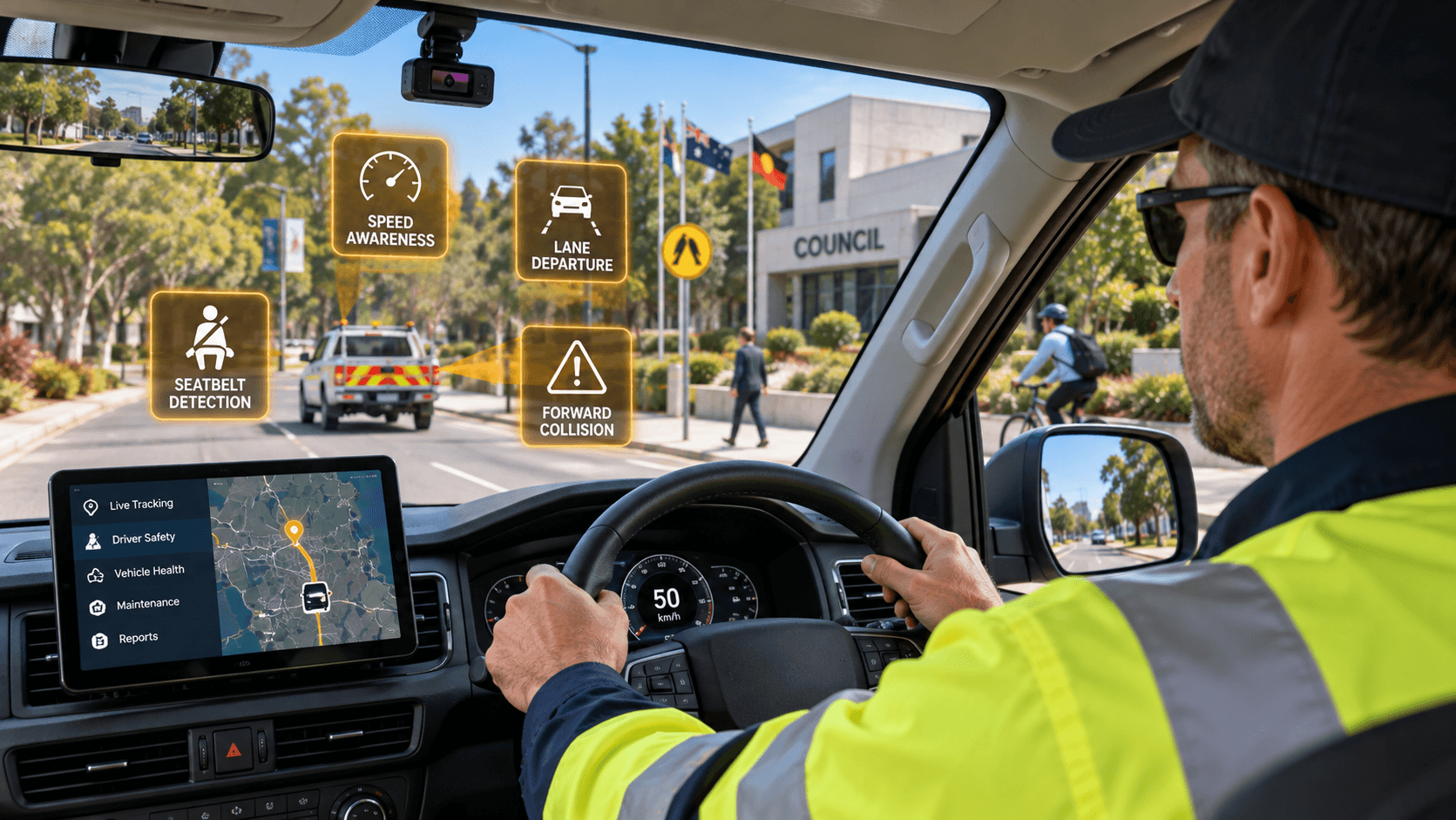
Supported driving events and available video telematics can provide additional context around public and field-service vehicle activity.
Available alerts depend on the selected camera, device configuration and supported integration.
Explore Driver Safety →Available vehicle and telematics information can help fleet teams maintain greater visibility around vehicle activity and maintenance requirements.

Bring supported vehicle, trip, driver, asset and maintenance information together to support fleet review, planning and internal reporting.
Review supported vehicle usage and fleet activity.
Review available trip and movement information.
Understand potential vehicle usage patterns.
Review supported driver and safety events.
Review available asset location and activity information.
Bring available vehicle servicing information into operational review.
Review supported entry and exit events.
Connected vehicle tracking for public, council and utility fleets.
Road-facing and driver-facing video technology for supported safety events and incident context.
Connect available vehicle and operational information with location data.
Extend location visibility to trailers, plant, equipment and compatible remote assets.
Add supported environmental or operational monitoring where required.
Bring supported vehicle locations, driver events, assets, trips, maintenance and reporting information together through the UnifiedFleet platform.
Connected devices capture supported location, vehicle, video and asset information.
Available information is transmitted through supported connectivity.
UnifiedFleet brings supported operational information into one fleet environment.
Teams can review vehicle locations, asset activity, alerts, maintenance and fleet events.
Use available operational information to support planning, reporting and fleet decisions.
Maintain a clearer view across connected vehicles, crews and mobile assets.
Use available activity information to better understand vehicle and asset usage.
Use supported driving events and available video context to support fleet safety programs.
Extend connected location visibility to compatible plant, equipment and remote assets.
Use available vehicle information to support servicing and maintenance workflows.
Bring multiple areas of fleet activity into a more unified reporting environment.

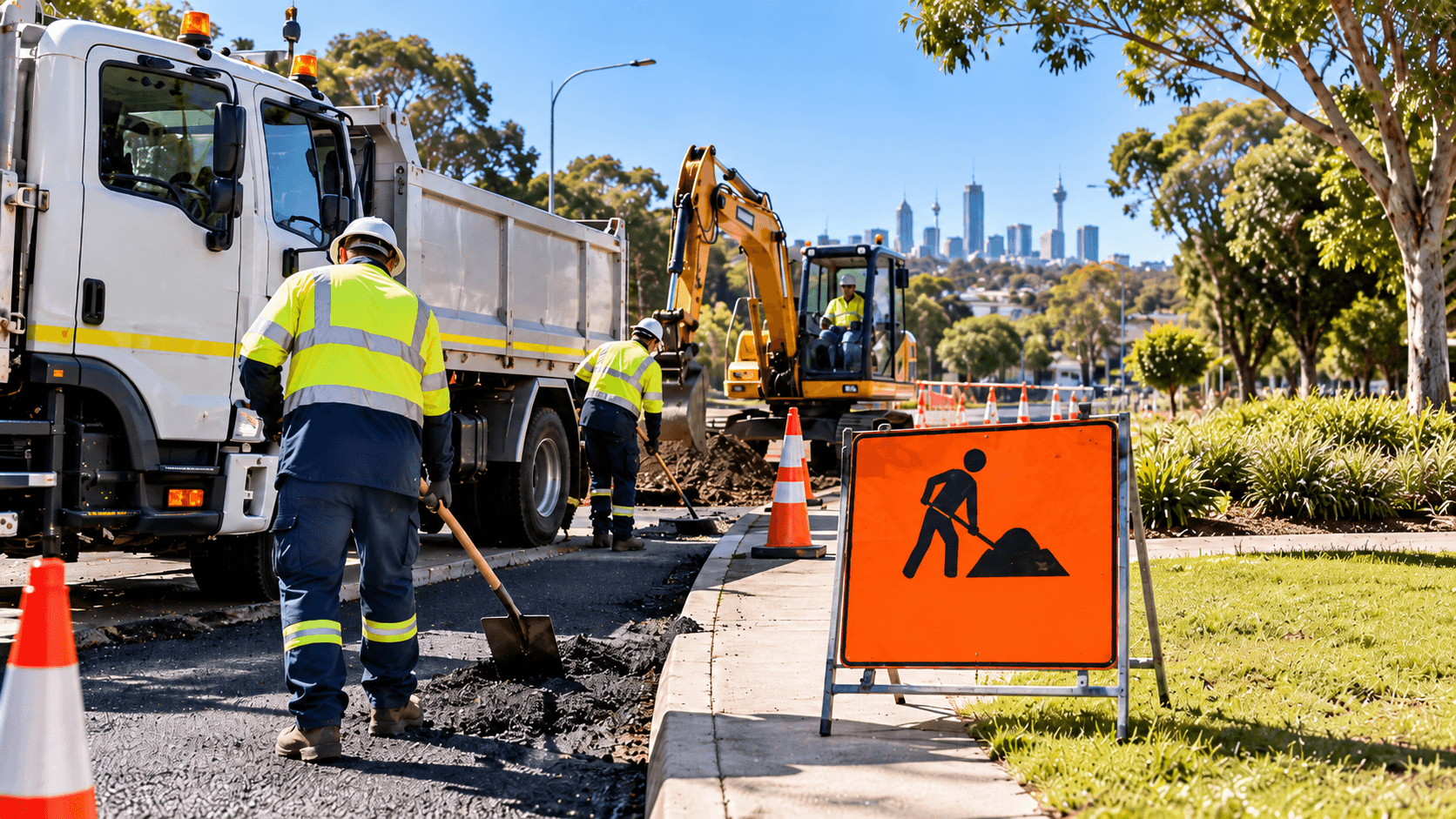
Connect vehicles, plant and equipment across council operations.

Maintain visibility across works vehicles and field equipment.

Connect mobile fleets supporting community operations.

Track supported field vehicles, crews and remote operational assets.

Connect service vehicles and compatible mobile assets across field operations.

Maintain visibility across vehicles and teams supporting distributed infrastructure.

Connect vehicles, equipment and field crews across maintenance operations.

Improve operational visibility across distributed service vehicles and assets.